
Personal Protective Equipment PPE
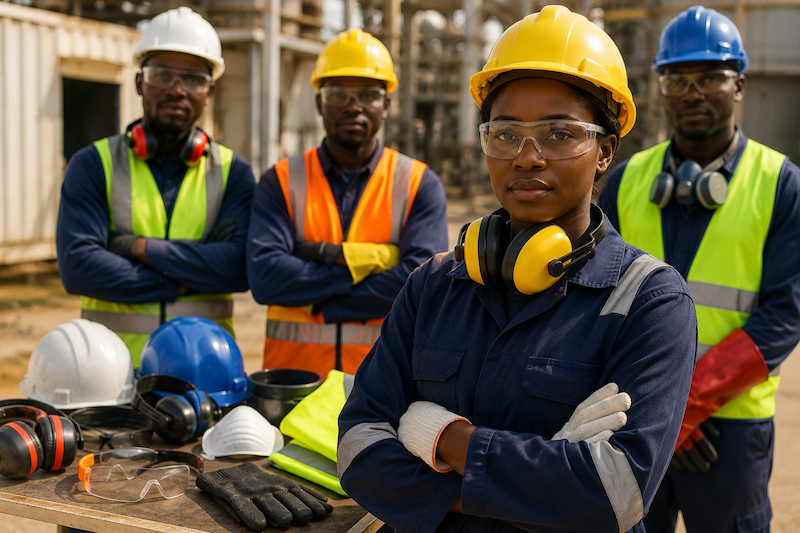
Personal Protective Equipment, commonly called PPE, is any equipment or clothing worn by a worker to protect the body from workplace hazards. PPE helps reduce exposure to hazards that may cause injury, illness, burns, cuts, falls, inhalation of harmful substances, hearing damage, eye injury, skin damage, or other forms of harm.
PPE is an important part of workplace safety, but it should not be the first or only method of controlling hazards. The best approach is to remove or reduce hazards as much as possible before relying on PPE. However, in many workplaces, PPE remains necessary because some risks cannot be completely eliminated.
This module explains the meaning of PPE, common types of PPE, how to select the right PPE, how to use PPE correctly, how to inspect and maintain PPE, and why PPE must be stored properly.
Meaning of PPE
PPE means Personal Protective Equipment.
It refers to protective items worn by workers to reduce the risk of injury or illness while performing a task.
Examples of PPE include:
- Safety helmets.
- Safety goggles.
- Face shields.
- Gloves.
- Safety boots.
- Earplugs.
- Earmuffs.
- Respirators.
- Nose masks.
- Coveralls.
- Aprons.
- Reflective vests.
- Fall protection harnesses.
In simple terms, PPE is equipment worn on the body to protect the worker from workplace hazards.
Why PPE is Important
PPE is important because it provides a protective barrier between the worker and the hazard.
PPE helps to:
- Protect the head from falling objects and impact.
- Protect the eyes from dust, sparks, chemicals, and flying particles.
- Protect the face from splashes, heat, sparks, and radiation.
- Protect the hands from cuts, burns, chemicals, and infection.
- Protect the feet from falling objects, sharp items, slips, and electrical hazards.
- Protect the ears from excessive noise.
- Protect the lungs from dust, fumes, vapours, gases, and airborne particles.
- Protect the body from heat, chemicals, sharp objects, dirt, and contamination.
- Improve worker visibility in high-risk areas.
- Reduce injury severity when an incident occurs.
PPE can save lives when it is selected correctly, worn correctly, maintained properly, and used consistently.
PPE as the Last Line of Defence
PPE is often described as the last line of defence because it does not remove the hazard. It only protects the worker from exposure to the hazard.
For example:
- A safety helmet does not stop objects from falling, but it can reduce head injury if an object falls.
- Safety goggles do not stop grinding sparks from being produced, but they protect the eyes from injury.
- Gloves do not remove chemical hazards, but they reduce skin contact.
- Earplugs do not reduce machine noise, but they reduce the amount of noise entering the ear.
Before relying on PPE, better control measures should be considered, such as elimination, substitution, engineering controls, and administrative controls.
PPE and the Hierarchy of Controls
The hierarchy of controls ranks safety controls from most effective to least effective.
The order is:
- Elimination.
- Substitution.
- Engineering controls.
- Administrative controls.
- Personal Protective Equipment.
PPE is at the bottom because it depends heavily on human behaviour. It only works when the worker wears it correctly and consistently.
However, PPE is still very important, especially where hazards remain after other controls have been applied.
For example, during welding, the employer may provide ventilation, welding screens, safe procedures, and training. Even with these controls, the welder still needs PPE such as a welding helmet, gloves, safety boots, and flame-resistant clothing.
When PPE is Required
PPE is required when workers may be exposed to hazards that cannot be fully controlled by other methods.
PPE may be required during:
- Construction work.
- Welding and grinding.
- Chemical handling.
- Cleaning tasks.
- Laboratory work.
- Healthcare tasks.
- Working at height.
- Electrical work.
- Manual handling.
- Waste handling.
- Roadside work.
- Machine operation.
- Firefighting or emergency response.
- Work in noisy environments.
- Work in dusty or poorly ventilated areas.
- Work where there is risk of falling objects.
- Work where there is risk of cuts, burns, impact, splash, or contamination.
Workers should always follow site PPE requirements and task-specific PPE instructions.
Basic Rules for PPE Use
PPE must be used correctly to provide effective protection.
The basic rules are:
- Use the right PPE for the task.
- Inspect PPE before use.
- Wear PPE correctly.
- Ensure PPE fits properly.
- Do not use damaged PPE.
- Keep PPE clean.
- Store PPE properly.
- Replace PPE when worn out or defective.
- Do not modify PPE without approval.
- Do not share personal PPE where hygiene risk exists.
- Report missing, damaged, or unsuitable PPE.
- Follow manufacturer instructions and workplace procedures.
PPE should never be treated casually. Incorrect use of PPE can create a false sense of safety.
Types of PPE
PPE protects different parts of the body. The type of PPE required depends on the hazard, the task, and the work environment.
Head Protection
Head protection is used to protect the head from falling objects, impact, bumps, electrical hazards, and contact with fixed objects.
The most common head protection is the safety helmet, also called a hard hat.
Safety helmets may be required in:
- Construction sites.
- Workshops.
- Warehouses.
- Factories.
- Areas with overhead work.
- Areas where objects may fall.
- Areas where workers may hit their head.
- Electrical work areas, depending on helmet type.
- Industrial and field operations.
Safety helmets help protect against:
- Falling tools.
- Falling materials.
- Head impact.
- Low overhead structures.
- Flying objects.
- Some electrical hazards, if rated for electrical protection.
A safety helmet must fit properly and should be worn with the suspension system correctly adjusted. Workers should not drill holes, paint, cut, or modify helmets unless approved by the manufacturer.
Eye Protection
Eye protection is used to protect the eyes from flying particles, dust, sparks, chemicals, radiation, vapours, and splashes.
Common types of eye protection include:
- Safety glasses.
- Safety goggles.
- Chemical splash goggles.
- Welding goggles.
- Laser safety goggles, where applicable.
Eye protection may be required during:
- Grinding.
- Cutting.
- Drilling.
- Welding.
- Chemical handling.
- Laboratory work.
- Cleaning with chemicals.
- Dusty work.
- Woodworking.
- Metalwork.
- Waste handling.
Eye injuries can be serious and may lead to partial or permanent loss of sight. Workers should always use the correct eye protection for the specific hazard.
Safety glasses protect mainly from front impact and flying particles. Goggles provide better protection because they seal around the eyes and are more suitable for dust, chemical splash, or liquid hazards.
Face Protection
Face protection is used to protect the face from splashes, sparks, heat, flying particles, and radiation.
Common types include:
- Face shields.
- Welding helmets.
- Chemical face shields.
- Grinding face shields.
Face protection is commonly used during:
- Welding.
- Grinding.
- Chemical handling.
- Battery maintenance.
- Hot work.
- Cutting.
- High-pressure cleaning.
- Laboratory tasks.
A face shield protects the face but may not fully protect the eyes on its own. In many cases, safety goggles or safety glasses should be worn under the face shield.
For example, during grinding, a worker may need both safety goggles and a face shield.
Hearing Protection
Hearing protection is used to reduce exposure to harmful noise.
Common types include:
- Earplugs.
- Earmuffs.
- Canal caps.
Hearing protection may be required when working near:
- Generators.
- Compressors.
- Grinding machines.
- Cutting machines.
- Heavy vehicles.
- Industrial machines.
- Construction equipment.
- Drilling equipment.
- Aircraft or marine engines.
- Loud workshop operations.
Exposure to loud noise can cause gradual and permanent hearing loss. Noise-induced hearing damage may not be noticed immediately, but it can become serious over time.
Earplugs must be inserted properly to work effectively. Earmuffs must cover the ears completely and seal properly against the head. Damaged earmuffs, dirty earplugs, or poor fitting hearing protection may not provide proper protection.
Respiratory Protection
Respiratory protection is used to protect workers from breathing harmful substances.
Respiratory hazards may include:
- Dust.
- Smoke.
- Fumes.
- Vapours.
- Gases.
- Mists.
- Biological particles.
- Chemical particles.
- Low oxygen atmospheres.
Common respiratory protection includes:
- Disposable dust masks.
- Half-face respirators.
- Full-face respirators.
- Cartridge respirators.
- Powered air-purifying respirators.
- Self-contained breathing apparatus for specialised emergency use.
Respirators are used during tasks such as:
- Painting.
- Spraying.
- Welding.
- Grinding.
- Sanding.
- Chemical handling.
- Cleaning dusty areas.
- Working with fumes.
- Working in contaminated environments.
A simple dust mask is not suitable for all respiratory hazards. Some chemicals, gases, vapours, and oxygen-deficient environments require specialised respiratory protection.
Respiratory protection must fit properly. Facial hair, poor fit, wrong filter type, damaged mask, or incorrect use can reduce protection.
Hand Protection
Hand protection is used to protect the hands from cuts, burns, chemicals, punctures, infection, abrasion, heat, cold, vibration, and electrical hazards.
Common types of gloves include:
- General work gloves.
- Cut-resistant gloves.
- Chemical-resistant gloves.
- Heat-resistant gloves.
- Electrical insulating gloves.
- Disposable medical gloves.
- Welding gloves.
- Anti-vibration gloves.
- Rubber gloves.
- Leather gloves.
Different gloves are designed for different hazards. No single glove protects against all hazards.
For example:
- Leather gloves may protect against abrasion but may not protect against chemicals.
- Disposable latex or nitrile gloves may protect against contamination but may not protect against sharp edges.
- Chemical-resistant gloves must be selected based on the chemical being handled.
- Electrical gloves must be properly rated and inspected before use.
Gloves should not be worn around certain rotating machines if there is a risk of entanglement, unless the procedure specifically allows it and the glove type is suitable.
Foot Protection
Foot protection is used to protect the feet from impact, compression, puncture, slips, chemicals, heat, sharp objects, and electrical hazards.
Common types include:
- Safety boots.
- Steel-toe boots.
- Composite-toe boots.
- Slip-resistant shoes.
- Chemical-resistant boots.
- Electrical hazard-rated boots.
- Rubber boots.
- Heat-resistant boots.
Foot protection may be required in:
- Construction sites.
- Workshops.
- Warehouses.
- Factories.
- Farms.
- Laboratories.
- Waste handling areas.
- Areas with heavy materials.
- Wet or slippery work areas.
- Electrical work areas, depending on task requirements.
Safety footwear helps prevent injuries from falling objects, stepping on sharp items, slipping, crushing, burns, and chemical contact.
Workers should ensure that footwear fits properly, has good grip, and is suitable for the work environment.
Body Protection
Body protection is used to protect the skin and body from heat, chemicals, sparks, contamination, weather, sharp objects, and impact.
Common types include:
- Coveralls.
- Aprons.
- Laboratory coats.
- Flame-resistant clothing.
- Chemical-resistant suits.
- High-visibility vests.
- Welding jackets.
- Rainwear.
- Disposable protective clothing.
- Thermal clothing.
- Cut-resistant clothing.
Body protection may be required during:
- Welding.
- Chemical handling.
- Laboratory work.
- Cleaning tasks.
- Roadside work.
- Construction work.
- Waste handling.
- Painting.
- Emergency response.
- Work in hot or cold environments.
Clothing should fit properly. Loose clothing can become caught in moving machinery. Clothing contaminated with chemicals, oil, fuel, or biological material should be removed and handled properly.
High-Visibility Clothing
High-visibility clothing helps workers to be seen by others, especially where vehicles, equipment, or low-light conditions are present.
High-visibility PPE includes:
- Reflective vests.
- Reflective jackets.
- Reflective trousers.
- High-visibility coveralls.
It is commonly required for:
- Road work.
- Construction sites.
- Warehouses.
- Loading areas.
- Vehicle movement areas.
- Night work.
- Emergency response.
- Field operations.
- Security duties.
High-visibility clothing helps prevent struck-by accidents by making workers more visible to drivers and equipment operators.
Fall Protection PPE
Fall protection PPE is used when workers are exposed to the risk of falling from height.
Common fall protection equipment includes:
- Full-body harness.
- Lanyard.
- Lifeline.
- Anchor point.
- Shock absorber.
- Fall arrest system.
- Work positioning belt, where suitable.
Fall protection may be required when working on:
- Roofs.
- Scaffolds.
- Ladders.
- Towers.
- Open edges.
- Elevated platforms.
- Tanks.
- Structures.
- Areas without guardrails.
A safety harness must be connected to a suitable anchor point. Wearing a harness without proper connection does not protect a worker from falling.
Fall protection equipment must be inspected before use and should only be used by trained workers.
PPE for Specific Hazards
Different hazards require different combinations of PPE.
PPE for Grinding
Grinding can produce sparks, flying particles, noise, dust, and sharp fragments.
Suitable PPE may include:
- Safety goggles.
- Face shield.
- Hearing protection.
- Gloves suitable for the task.
- Safety boots.
- Coveralls.
- Respiratory protection where dust is present.
The grinding disc and machine guard should also be inspected before use.
PPE for Welding
Welding can expose workers to intense light, heat, sparks, fumes, burns, and fire risk.
Suitable PPE may include:
- Welding helmet.
- Welding gloves.
- Flame-resistant clothing.
- Safety boots.
- Respiratory protection where fumes are present.
- Welding apron or jacket.
- Hearing protection where noise is high.
Welding PPE must protect against ultraviolet radiation, burns, sparks, and hot metal.
PPE for Chemical Handling
Chemical handling may expose workers to skin burns, eye damage, inhalation hazards, poisoning, fire, and environmental harm.
Suitable PPE may include:
- Chemical-resistant gloves.
- Chemical splash goggles.
- Face shield.
- Chemical apron.
- Respirator, depending on the chemical.
- Safety boots.
- Protective coveralls.
The Safety Data Sheet should always be checked to confirm the correct PPE for the chemical.
PPE for Electrical Work
Electrical work may expose workers to electric shock, burns, arc flash, fire, and explosion.
Suitable PPE may include:
- Electrical insulating gloves.
- Face shield or arc-rated face protection.
- Arc-rated clothing where required.
- Safety helmet.
- Safety boots.
- Insulated tools.
- Eye protection.
Electrical PPE must be suitable for the voltage and type of work. Electrical work should only be performed by competent and authorised persons.
PPE for Manual Handling
Manual handling may expose workers to hand injuries, foot injuries, cuts, crush injuries, and back strain.
Suitable PPE may include:
- Safety gloves.
- Safety boots.
- Suitable work clothing.
- Back support only where specifically approved and not as a replacement for safe lifting technique.
PPE does not replace proper lifting methods, team lifting, or mechanical aids.
PPE for Cleaning Tasks
Cleaning tasks may involve chemicals, wet floors, biological contamination, sharp objects, and waste.
Suitable PPE may include:
- Gloves.
- Safety boots or slip-resistant footwear.
- Eye protection.
- Apron.
- Face mask or respirator where required.
- Disposable coveralls where contamination risk exists.
Cleaning chemicals should never be mixed unless the label or procedure specifically allows it.
PPE for Healthcare and First Aid Response
Healthcare and first aid situations may expose workers to blood, body fluids, infection, sharps, and contamination.
Suitable PPE may include:
- Disposable gloves.
- Face mask.
- Eye protection.
- Apron.
- Face shield where splash risk exists.
- Disposable gown where required.
Used PPE should be removed safely and disposed of properly to prevent contamination.
Selection of PPE
Selecting PPE means choosing the correct protective equipment for the hazard, task, user, and work environment.
PPE selection should be based on:
- Type of hazard.
- Level of risk.
- Part of the body exposed.
- Duration of exposure.
- Work environment.
- Comfort and fit.
- Compatibility with other PPE.
- Applicable standards.
- Manufacturer instructions.
- Worker health condition where relevant.
- Task requirements.
- Emergency conditions.
The wrong PPE may not protect the worker and may even create additional hazards.
Matching PPE to the Hazard
PPE must match the hazard.
Examples:
- Dust exposure requires suitable respiratory protection, not only safety glasses.
- Chemical splash risk requires goggles and chemical-resistant gloves, not ordinary cloth gloves.
- Loud noise requires hearing protection, not only a helmet.
- Falling object risk requires a safety helmet, not a cap.
- Sharp metal handling requires cut-resistant gloves, not thin disposable gloves.
- Roadside work requires high-visibility clothing, not dark clothing.
Before choosing PPE, workers must understand the hazard clearly.
Proper Fit of PPE
PPE must fit the worker properly. Poorly fitting PPE can reduce protection and make work uncomfortable or unsafe.
Examples:
- Loose safety goggles may allow dust or chemicals to enter the eyes.
- Oversized gloves may reduce grip and increase the chance of dropping objects.
- Tight gloves may reduce hand movement and comfort.
- Loose clothing may get caught in machines.
- A loose helmet may fall off during work.
- Poorly fitted respirators may allow harmful substances to be inhaled.
- Oversized safety boots may cause trips.
- Undersized safety boots may cause discomfort and distraction.
Workers should report PPE that does not fit properly.
Compatibility of PPE
Sometimes workers need to wear more than one type of PPE at the same time. The PPE items must work together without reducing protection.
Examples:
- Safety goggles should fit properly with a respirator.
- Earmuffs should seal properly even when a helmet is worn.
- Face shields should allow proper use of goggles underneath.
- Harnesses should fit correctly over work clothing.
- Gloves should allow safe handling of tools.
- Respirators should not be affected by other face or head protection.
If one PPE item prevents another from working properly, the combination is not suitable.
Comfort and Practical Use
PPE should provide protection, but it should also allow workers to perform tasks safely and comfortably.
Uncomfortable PPE may lead to poor compliance. Workers may remove it, adjust it incorrectly, or avoid using it.
Good PPE should:
- Fit properly.
- Allow reasonable movement.
- Allow clear vision.
- Allow communication where needed.
- Be suitable for the climate.
- Be suitable for the task duration.
- Not create new hazards.
Comfort should never be used as an excuse to avoid PPE, but employers should ensure PPE is practical and suitable.
Proper Use of PPE
PPE must be worn correctly according to instructions and workplace requirements.
Proper use includes:
- Wearing PPE before exposure to the hazard.
- Adjusting PPE correctly.
- Keeping PPE in place during the task.
- Avoiding unnecessary removal in hazardous areas.
- Using PPE only for its intended purpose.
- Avoiding damaged or contaminated PPE.
- Removing PPE safely after use.
- Cleaning or disposing of PPE properly.
For example, a worker should not lift safety goggles onto the forehead while grinding, because eye protection is needed throughout the task.
Common PPE Misuse
PPE misuse reduces protection and increases risk.
Examples of PPE misuse include:
- Wearing a helmet without adjusting the suspension.
- Wearing safety boots with damaged soles.
- Using ordinary sunglasses instead of safety glasses.
- Wearing gloves with holes.
- Using a dust mask for chemical vapours.
- Removing goggles during grinding.
- Wearing earplugs incorrectly.
- Using a cracked face shield.
- Wearing contaminated coveralls home.
- Wearing loose clothing near rotating machines.
- Sharing dirty respiratory protection.
- Using expired or damaged chemical cartridges.
- Using PPE that is not suitable for the task.
PPE must be used correctly every time.
PPE Inspection
PPE should be inspected before use to ensure it is safe and effective.
Inspection helps identify:
- Damage.
- Wear and tear.
- Contamination.
- Missing parts.
- Cracks.
- Holes.
- Loose straps.
- Weak stitching.
- Broken buckles.
- Expired filters.
- Deformed materials.
- Poor fit.
- Reduced visibility.
- Loss of protective function.
Damaged PPE should not be used. It should be reported, repaired if approved, or replaced.
Inspection of Safety Helmets
Before using a safety helmet, check for:
- Cracks.
- Dents.
- Deep scratches.
- Weak or broken suspension.
- Damaged chin strap.
- Signs of heat damage.
- Chemical contamination.
- Faded or brittle shell.
- Manufacturer expiry or replacement guidance.
A helmet that has received a heavy impact should be replaced, even if damage is not visible.
Inspection of Eye and Face Protection
Before using eye or face protection, check for:
- Cracked lenses.
- Scratched lenses that affect vision.
- Broken frames.
- Loose straps.
- Dirty lenses.
- Chemical damage.
- Poor fit.
- Damaged face shield.
Eye and face protection must provide clear vision and proper coverage.
Inspection of Gloves
Before using gloves, check for:
- Holes.
- Tears.
- Cuts.
- Chemical damage.
- Stiffness.
- Weak seams.
- Contamination.
- Loss of grip.
- Wrong glove type for the task.
Chemical gloves should be checked carefully because some chemicals can weaken glove material.
Inspection of Safety Footwear
Before using safety footwear, check for:
- Damaged soles.
- Worn-out grip.
- Exposed toe cap.
- Cracks.
- Holes.
- Chemical damage.
- Loose stitching.
- Poor fit.
- Water leakage where protection is needed.
Poor footwear can increase the risk of slips, trips, puncture injuries, and foot injuries.
Inspection of Respiratory Protection
Before using respiratory protection, check for:
- Cracks in the mask.
- Damaged straps.
- Dirty or blocked filters.
- Expired cartridges.
- Poor face seal.
- Missing valves.
- Damaged nose clip.
- Contamination.
- Wrong filter type.
- Difficulty breathing through the mask.
Respirators must be used only when the correct type and filter are available.
Inspection of Fall Protection Equipment
Before using a harness or lanyard, check for:
- Cuts.
- Tears.
- Burns.
- Chemical damage.
- Damaged stitching.
- Rusted metal parts.
- Bent hooks.
- Faulty buckles.
- Missing labels.
- Signs of previous fall arrest.
- Damaged shock absorber.
- Weak or worn webbing.
Fall protection equipment that has been involved in a fall should be removed from service immediately.
Maintenance of PPE
PPE must be properly maintained to remain effective.
Maintenance may include:
- Cleaning after use.
- Drying before storage.
- Replacing worn parts.
- Changing filters or cartridges.
- Disinfecting reusable PPE.
- Repairing only where approved.
- Keeping PPE away from chemicals, heat, and sunlight.
- Following manufacturer instructions.
- Replacing PPE when it reaches the end of its useful life.
Poor maintenance can make PPE ineffective.
Cleaning PPE
PPE should be cleaned according to the type of equipment and manufacturer guidance.
Examples:
- Safety glasses should be cleaned with suitable lens cleaner or mild soap and water.
- Helmets should be cleaned with mild soap and water, not harsh solvents.
- Gloves should be cleaned only if reusable and suitable for cleaning.
- Respirators should be cleaned and disinfected after use where required.
- Safety boots should be cleaned and dried properly.
- High-visibility clothing should be kept clean so reflective parts remain visible.
- Contaminated PPE should be handled carefully to avoid spreading harmful substances.
PPE contaminated with hazardous chemicals, blood, body fluids, or toxic substances may require special disposal.
Storage of PPE
PPE should be stored properly when not in use.
Good storage protects PPE from:
- Dust.
- Moisture.
- Heat.
- Sunlight.
- Chemicals.
- Sharp objects.
- Contamination.
- Crushing.
- Misuse.
- Loss or theft.
Examples of proper storage include:
- Keeping helmets on shelves or in lockers.
- Keeping goggles in protective cases.
- Keeping respirators in sealed bags or containers.
- Hanging harnesses properly in a clean, dry place.
- Keeping gloves away from chemicals and sharp materials.
- Storing safety boots in a dry, ventilated area.
- Keeping PPE away from direct sunlight and extreme heat.
PPE thrown on the floor, left in vehicles under heat, or stored near chemicals may become damaged.
Replacement of PPE
PPE should be replaced when it is damaged, expired, worn out, contaminated, or no longer provides proper protection.
PPE should be replaced when:
- It is cracked, torn, punctured, or broken.
- It no longer fits properly.
- It has been contaminated.
- It has reached expiry date.
- It has been involved in a serious impact.
- It has been used in a fall arrest situation.
- The manufacturer recommends replacement.
- Its protective function is reduced.
- It cannot be cleaned safely.
- It has missing parts.
Using worn-out PPE is dangerous because it may fail during a critical moment.
PPE and Personal Hygiene
PPE should be used in a way that protects hygiene and prevents contamination.
Important hygiene practices include:
- Wash hands before and after using PPE.
- Do not touch the face with contaminated gloves.
- Do not take contaminated PPE home.
- Do not eat, drink, or smoke while wearing contaminated PPE.
- Remove gloves safely to avoid skin contact with contaminants.
- Dispose of single-use PPE properly.
- Clean reusable PPE after use.
- Store personal PPE separately from contaminated items.
- Report exposure to harmful substances.
PPE can become a source of contamination if it is not removed, cleaned, or disposed of properly.
Donning and Doffing PPE
Donning means putting PPE on.
Doffing means removing PPE.
PPE should be put on and removed carefully, especially where contamination risk exists.
When putting on PPE:
- Select the correct PPE.
- Inspect each item.
- Put PPE on before entering the hazardous area.
- Adjust it for proper fit.
- Check that all required body parts are protected.
- Make sure PPE items do not interfere with each other.
When removing PPE:
- Avoid touching contaminated surfaces.
- Remove PPE slowly and carefully.
- Remove gloves safely.
- Dispose of single-use PPE correctly.
- Place reusable PPE in the correct cleaning or storage area.
- Wash hands immediately after removal.
Incorrect removal of PPE can expose the worker to the hazard the PPE was protecting against.
Responsibilities for PPE
PPE responsibilities are shared between employers, supervisors, and workers.
Employer Responsibilities
Employers are responsible for providing suitable PPE where it is required.
Employer responsibilities include:
- Assessing workplace hazards.
- Selecting suitable PPE.
- Providing PPE that meets the required standard.
- Ensuring PPE fits workers properly.
- Providing training on PPE use.
- Replacing damaged or worn PPE.
- Providing storage where needed.
- Ensuring PPE is maintained.
- Enforcing PPE requirements.
- Reviewing PPE needs when tasks change.
PPE should not be selected randomly. It must be based on the hazards and risks of the task.
Supervisor Responsibilities
Supervisors are responsible for ensuring that PPE rules are followed during work.
Supervisor responsibilities include:
- Checking that workers have the correct PPE.
- Ensuring PPE is worn correctly.
- Correcting PPE misuse.
- Reporting PPE shortages.
- Ensuring damaged PPE is removed from use.
- Reinforcing PPE requirements during work.
- Stopping work where PPE requirements are not met.
Supervisors play an important role in making PPE use part of normal workplace behaviour.
Worker Responsibilities
Workers are responsible for using PPE correctly and taking care of it.
Worker responsibilities include:
- Wearing required PPE.
- Inspecting PPE before use.
- Using PPE correctly.
- Keeping PPE clean.
- Storing PPE properly.
- Reporting damaged PPE.
- Not modifying PPE.
- Not sharing personal PPE where unsafe.
- Asking for replacement when PPE is no longer suitable.
- Following PPE instructions and training.
A worker should never ignore PPE requirements because of discomfort, overconfidence, or familiarity with a task.
PPE Signs and Workplace Requirements
Many workplaces use signs to show where PPE is required.
Examples of PPE signs include:
- Safety helmet must be worn.
- Eye protection must be worn.
- Hearing protection must be worn.
- Safety boots must be worn.
- Gloves must be worn.
- Respiratory protection must be worn.
- High-visibility clothing must be worn.
- Face shield required.
PPE signs should be obeyed at all times. They are placed in areas where specific hazards are present.
PPE in Different Work Environments
Office Environment
PPE is not always required in normal office work, but it may be needed for certain tasks.
Examples include:
- Gloves for handling cleaning chemicals.
- Eye protection during maintenance work.
- Safety shoes when entering storage or technical areas.
- High-visibility vest during site visits.
- Face mask where required for health protection.
Office workers visiting workshops, factories, laboratories, or construction sites must follow the PPE rules of those areas.
Workshop Environment
Workshop workers may need:
- Safety goggles.
- Face shields.
- Gloves.
- Safety boots.
- Hearing protection.
- Coveralls.
- Respiratory protection.
- Welding PPE.
- Safety helmets where overhead hazards exist.
Workshop PPE depends on the task being performed and the hazards present.
Construction Environment
Construction workers may need:
- Safety helmet.
- Safety boots.
- High-visibility vest.
- Gloves.
- Eye protection.
- Hearing protection.
- Fall protection harness.
- Dust mask or respirator.
- Weather protection.
Construction sites often have changing hazards, so PPE requirements may vary from one area to another.
Laboratory Environment
Laboratory workers may need:
- Laboratory coat.
- Gloves.
- Safety goggles.
- Face shield.
- Respirator where required.
- Closed shoes.
- Chemical apron.
- Disposable protective clothing.
Laboratory PPE must be selected according to the chemicals, biological materials, equipment, and procedures being used.
Healthcare Environment
Healthcare and first aid workers may need:
- Disposable gloves.
- Face mask.
- Eye protection.
- Face shield.
- Apron.
- Gown.
- Respirator for specific airborne hazards.
- Protective footwear where required.
Healthcare PPE helps prevent exposure to blood, body fluids, infectious materials, and contamination.
Environmental and Waste Handling Work
Workers involved in waste handling, cleaning, or spill response may need:
- Gloves.
- Safety boots.
- Coveralls.
- Face mask or respirator.
- Eye protection.
- Apron.
- High-visibility clothing.
- Chemical-resistant PPE.
- Disposable protective clothing.
Waste and spill response PPE should be selected based on the type of waste or substance involved.
Limitations of PPE
PPE has limitations and should not create false confidence.
Limitations include:
- PPE does not remove hazards.
- PPE may fail if damaged.
- PPE may not protect against the wrong hazard.
- PPE may reduce comfort.
- PPE may restrict movement or communication.
- PPE may be worn incorrectly.
- PPE may be removed during work.
- PPE may become contaminated.
- PPE may lose effectiveness over time.
- PPE depends on proper fit and maintenance.
Because of these limitations, PPE must be combined with other control measures where possible.
Common Reasons Workers Fail to Use PPE
Workers may fail to use PPE for different reasons, including:
- Discomfort.
- Poor fit.
- Heat stress.
- Lack of training.
- Lack of supervision.
- PPE not available.
- Overconfidence.
- Rushing the task.
- Belief that the task is low risk.
- Peer pressure.
- Poor safety culture.
- PPE interfering with the work.
- Lack of understanding of the hazard.
These reasons should be addressed through proper training, better PPE selection, supervision, communication, and safety leadership.
Building a Positive PPE Culture
A positive PPE culture means workers understand the value of PPE and use it correctly without being forced every time.
A strong PPE culture includes:
- Management leading by example.
- Supervisors enforcing rules fairly.
- Workers understanding the hazards.
- PPE being available and suitable.
- Damaged PPE being replaced quickly.
- Workers reporting PPE problems.
- PPE use becoming normal workplace behaviour.
- No tolerance for careless PPE violations.
- Regular reminders and safety talks.
- Good storage and maintenance systems.
PPE culture improves when workers understand that PPE is not just a company rule; it is a personal protection measure.
Key HSE Terms
PPE
Personal Protective Equipment worn to protect the body from workplace hazards.
Hazard
Anything with the potential to cause harm.
Exposure
Contact with a hazard, such as breathing fumes, touching chemicals, or being near loud noise.
Respirator
A protective device worn to reduce inhalation of harmful dust, fumes, vapours, gases, or particles.
Face Shield
A protective screen worn over the face to protect against splashes, sparks, or flying particles.
Safety Helmet
Head protection designed to reduce injury from impact or falling objects.
Safety Goggles
Eye protection that seals around the eyes to protect against dust, splash, and flying particles.
Chemical-Resistant Gloves
Gloves designed to protect the hands from specific chemicals.
High-Visibility Clothing
Reflective clothing that helps workers to be easily seen.
Fall Arrest System
Equipment designed to stop a worker from hitting the ground or lower level after a fall.
Donning
Putting PPE on before exposure to a hazard.
Doffing
Removing PPE after use.
Contamination
The presence of harmful substances on PPE, skin, clothing, tools, or surfaces.
Fit
How well PPE matches the size and shape of the worker’s body.
Compatibility
The ability of different PPE items to work together without reducing protection.
Summary
Personal Protective Equipment is an essential part of workplace safety. PPE protects workers from hazards that may cause injury, illness, burns, eye damage, hearing loss, respiratory problems, contamination, or death.
PPE includes safety helmets, goggles, face shields, gloves, safety boots, hearing protection, respiratory protection, coveralls, high-visibility clothing, and fall protection equipment. The correct PPE depends on the task, hazard, risk level, work environment, and required protection.
PPE is important, but it is the last line of defence in the hierarchy of controls. It should be used together with other safety measures such as elimination, substitution, engineering controls, administrative controls, training, supervision, and safe work procedures.
For PPE to work effectively, it must be selected correctly, worn properly, inspected before use, maintained regularly, stored safely, and replaced when damaged or worn out. Workers must understand that PPE is not just a rule; it is a personal protection tool that can prevent serious injury and save lives.
A strong PPE culture is built when employers provide suitable PPE, supervisors enforce PPE requirements, and workers take responsibility for using PPE correctly every time.